3 Myths About Cargo Biking (From a 5-Year Cargo Bike Mom)
By Maddy
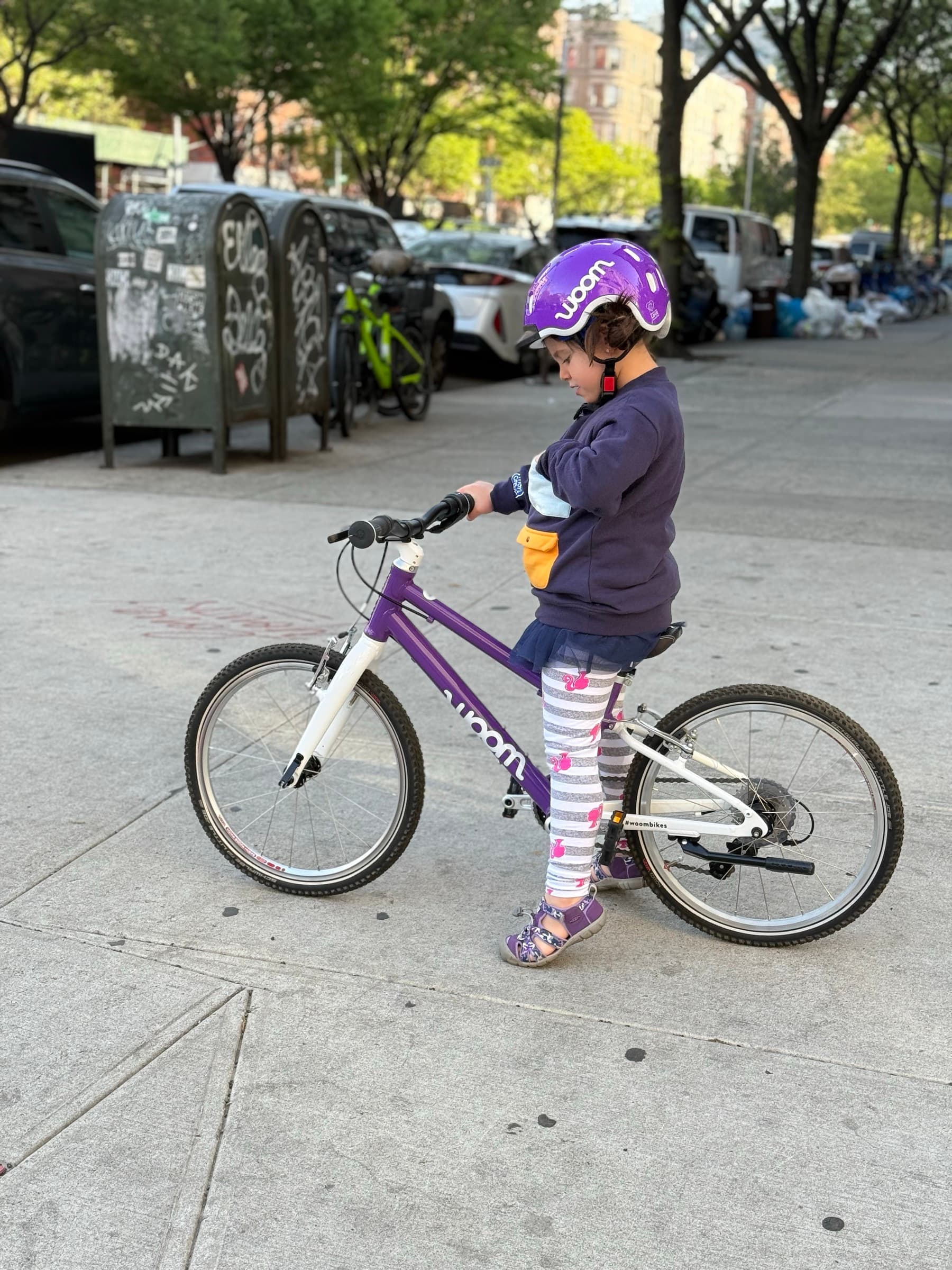
When I talk about cargo biking with people who don't bike, they almost always respond with one of these three myths. Let me bust them.
Myth 1: You need to be an experienced biker before cargo biking
Not true — and I'm living proof. I was not a biker before becoming a cargo biker. I knew how to ride but it wasn't something I did regularly. One day I decided I needed a cargo bike and that was it. I learned by hitting the streets.
The transition might not be as challenging as you think. Many cargo bikes are designed to be as easy as riding a regular two-wheel bike — which most people can do to varying degrees. There's a learning curve while you adjust for the size, weight, and steering, but the low center of gravity makes them fairly easy to handle — especially with pedal assist or a throttle.
Not into two wheels or don't know how to bike at all? You can still be a cargo biker. Trikes, like Bunch Bikes, require very little balance. They're designed for people who aren't as familiar with biking, prefer three wheels, or have physical differences that make balancing challenging.
Myth 2: You need to be a certain height to operate a cargo bike
The vast majority of cargo bikes accommodate different heights. I'm 5'0" (152 cm). I've ridden a ton of different models and believe there's a bike out there for everyone. I can attest, as a short rider, that there are many models that are comfortable and easily adjustable between myself and my 6-foot husband. For example, Riese and Müller bikes like the Multitinker and Load models easily adjust for people my size.
If there's a bike you like but you're concerned it doesn't fit, there are strategies:
- You don't need your feet to touch the ground. Stepping off the saddle when stopping (like this) is very common and often preferred by many cyclists.
- Cut the post. Ask the manufacturer or bike shop. Madsen did that for me when they sent my bucket bike.
- Get a flatter saddle. Something like this one can make a noticeable difference.
Myth 3: You need to know how to do basic maintenance to own a cargo bike
Totally not true. While it's helpful to know how to change a tire or troubleshoot problems, it is not a requirement for cargo bike ownership. I've been cargo biking for 5 years and I don't know anything about bike maintenance. I can't change brakes, plug holes, or fix a flat.
The truth is, as a full-time working mom of 3 kids, I don't have the time, bandwidth, or desire to learn. I spend approximately $500 a year on maintenance by bringing my bike in for an annual tune-up and addressing issues at local bike shops.
Want more biking product recommendations? Check out my Amazon store.