STEM & Tech Camps for Kids in Europe: Coding, Robotics & More
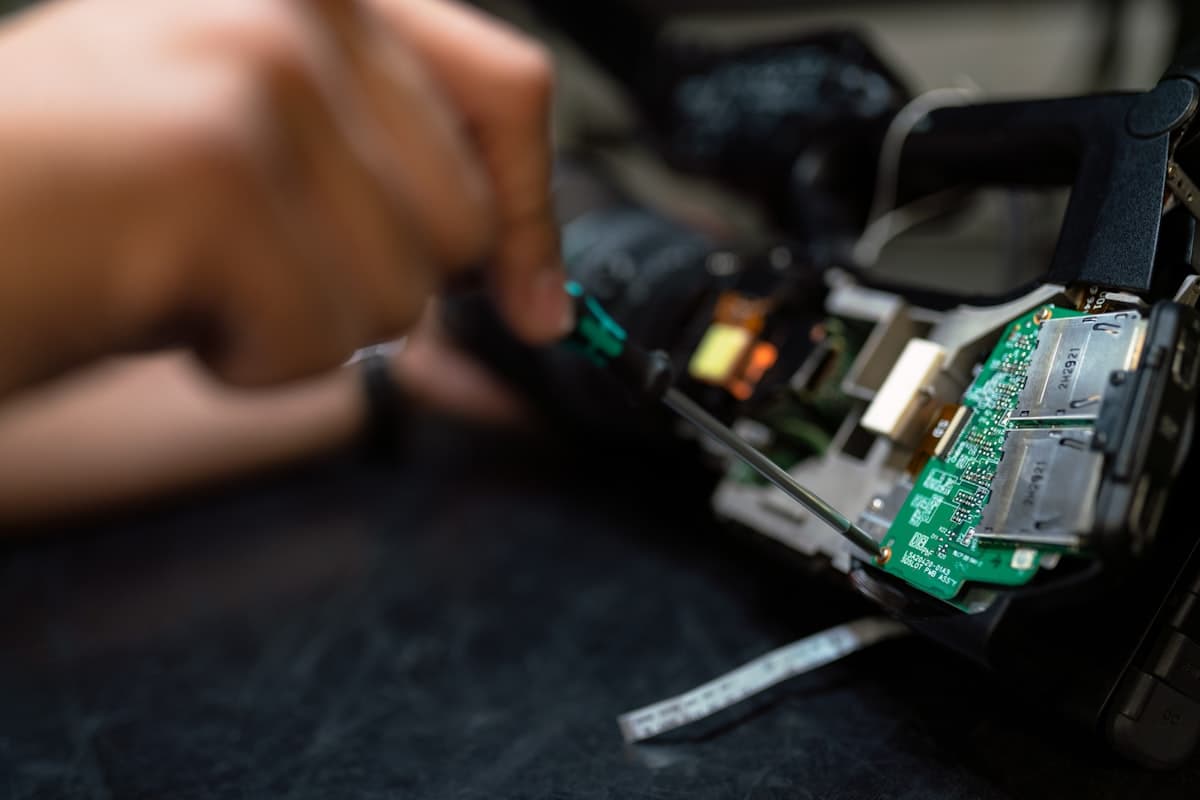
If your kid is the one who takes apart every toy, builds LEGO sets in an hour flat, or asks questions about how everything works — these camps are designed for them. Europe has a growing number of excellent STEM and tech programs, and they go way beyond the typical "learn to code" workshop. We're talking robotics, 3D printing, maker labs, science experiments, and engineering challenges that keep kids engaged for hours without a single screen complaint.
Stay in the loop
I share camp recommendations, tips, and insights with my newsletter subscribers about every two weeks.
Your email won't be shared. Unsubscribe anytime.
I started looking into STEM camps because my kids were burning through LEGO sets faster than I could buy them, and I wanted something that channeled that energy into real learning. What I found surprised me — some of the most innovative tech education programs in the world are running as summer camps in European cities. Here are seven of the best.
NewTechKids — Amsterdam
NewTechKids operates out of Amsterdam's central library maker lab, and it's one of the most creative tech camp programs I've seen. Each week has a different theme — robots, machines, catapults, pinball, dominoes — and kids work through hands-on challenges using real tools and materials. This isn't drag-and-drop coding on an iPad. Kids are physically building things, testing them, breaking them, and rebuilding them. All instruction is in English, and the central library location is incredibly convenient. I love that the maker lab setting exposes kids to tools and technology they wouldn't encounter in a typical classroom.
Ages: Various | Type: Day camp | Language: English | Season: School holidays
Young Engineers LEGO Camp — Amsterdam
If your kid lives and breathes LEGO, Young Engineers takes that obsession and turns it into genuine engineering education. Kids work through hands-on design challenges, building motorized LEGO models and learning basic mechanical and structural engineering principles. The sessions are engaging enough that kids don't realize they're learning physics — they just think they're building cool stuff. English language instruction, and the Amsterdam location makes it easy to combine with sightseeing.
Ages: Various | Type: Day camp | Language: English | Season: School holidays
Brooklyn Robot Foundry — New York City
I'm including one non-European pick here because it's that good, and many families reading this split time between the US and Europe. Brooklyn Robot Foundry runs week-long camps for ages 6–12 where kids build a brand-new robot every single day. Weekly themes rotate — Robotic Revival, Aquabotic, Cosmobotic, Wonderbotic — and each one involves designing, wiring, soldering (yes, real soldering with proper supervision), and testing a functional robot. By Friday, your kid has built five robots and has a fundamentally different understanding of how machines work. The hands-on, build-something-real approach sets this apart from every screen-based coding camp out there.
Ages: 6–12 | Type: Day camp | Language: English | Season: Summer & school holidays
Little House of Science — London
Little House of Science runs science experiment and STEM workshop camps across multiple London locations for ages 4–11. Think chemistry experiments, physics challenges, biology explorations, and engineering projects — all scaled to be age-appropriate and genuinely exciting for young kids. The programs are designed to spark curiosity rather than teach a rigid curriculum, which means kids leave wanting to learn more rather than feeling like they just sat through school in July. Multiple locations across London make it accessible wherever you're staying.
Ages: 4–11 | Type: Day camp | Language: English | Season: School holidays
H-FARM Campus — Venice Area
H-FARM is the most impressive STEM camp facility I've encountered in Europe. It's a 50-hectare innovation campus near Venice that runs English-language tech camps for ages 7–18. The programming includes coding, robotics, digital making, 3D printing, and design thinking. The campus itself feels like stepping into the future — dedicated maker spaces, robotics labs, digital fabrication workshops, and outdoor areas that connect the tech learning with physical activity. For older teens, the programs get genuinely advanced, touching on AI, app development, and digital entrepreneurship. If your child is serious about technology, this is the camp that could shape their future.
Ages: 7–18 | Type: Day camp | Language: English | Season: Summer
Robbo Club — Vienna
Robbo Club runs week-long robotics, coding, and 3D printing camps for ages 5–14 in Vienna. The program uses their proprietary open-source robotics platform, which means kids learn to code robots that they physically build and program. Sessions are in English and accommodate different skill levels, from complete beginners to kids who've been coding for years. The week-long format works well for traveling families — you don't need to commit to a full month, just one focused week of intensive STEM learning.
Ages: 5–14 | Type: Day camp | Language: English | Season: Summer & school holidays
TECHCAMP at ISM Milan (International School of Milan)
The International School of Milan runs a STEM track within their summer program for ages 3–14. Younger kids get science experiments and building challenges, while older kids dive into coding, robotics, and digital design. The international school setting means the facilities are excellent, the instruction is in English, and the organization is professional. If you're spending time in Milan — which is an underrated family travel destination — this combines serious STEM learning with the convenience of a well-run school camp.
Ages: 3–14 | Type: Day camp | Language: English | Season: Summer
How to Tell If Your Kid Would Love a STEM Camp
Not sure if a STEM camp is the right fit? Here are the signs I look for:
- They ask "how does that work?" constantly. The kid who wants to understand the mechanism behind everything — from elevators to dishwashers to the lock on the front door — is a natural STEM camper.
- They build things without being prompted. If your child gravitates toward LEGO, blocks, cardboard boxes, or any material they can construct something from, a maker or engineering camp will feel like paradise.
- They're not afraid to fail and try again. STEM camps involve a lot of building, testing, failing, and rebuilding. Kids who get frustrated by failure might find this challenging at first, but it's actually one of the best environments to develop resilience.
- They prefer doing to watching. STEM camps are hands-on. If your kid is the one who wants to stir the batter, hold the drill, or press the button — rather than just watch — they'll thrive.
- They're curious about technology but you want to channel the screen time. This is the big one for a lot of families I talk to. Your kid loves technology, and you'd rather they learn to build it than just consume it. STEM camps bridge that gap perfectly.
Age Considerations
- Ages 3–5: Look for programs that focus on building, sensory exploration, and simple science experiments. Coding and robotics are too abstract at this age, but hands-on making is perfect.
- Ages 6–9: This is the sweet spot for introductory robotics, LEGO engineering, and guided science experiments. Kids are old enough to follow multi-step instructions but still young enough to find everything magical.
- Ages 10–14: Kids can handle real coding, circuit building, 3D design, and more complex engineering challenges. Programs like H-FARM and Robbo Club start to offer genuinely advanced content at this level.
- Ages 15–18: Look for programs that connect STEM skills to real-world applications — app development, digital entrepreneurship, AI, and design thinking. H-FARM is particularly strong for this age group.
What My Newsletter Subscribers Get
In my weekly newsletter, I share specific pricing and session dates for every STEM camp on this list, direct booking links, detailed reviews from families whose kids have attended, and recommendations for age-appropriate STEM toys and kits to try before committing to a camp. I also cover new STEM camp openings as I discover them and early-registration alerts for popular programs. If your kid is a builder, coder, or relentless question-asker, the newsletter is where I share the best opportunities to feed that curiosity.
Get the Full Camp Guide
Get my curated summer camp picks, tips, and insights delivered to your inbox about every two weeks.